
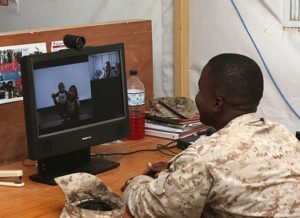
 As I’ve outlined in the past two weeks, there is a lot we know and a lot we don’t know about online therapy. If you’re considering moving part or all of your practice online, there are a lot of things to consider. Do you have the appropriate technology, and are you comfortable using it? Do you have policies and practices ready for online work? Have you ensured that your online work will be fully legally and ethically compliant, and consistent with best practices like those outlined in the new AAMFT Online Therapy Best Practices guide? Are your clients appropriate for online therapy?
Many therapists wrestle with the choice of whether to practice online. While these are not determining factors — in other words, I’m not saying your final decision should be to practice online, as there’s more to consider than what’s below — here are four good reasons to consider making the move.
 Last week, I offered a snapshot of
  The world of online therapy continues to develop rapidly. There are now dozens of
 In a major victory for marriage and family therapists, the Texas Supreme Court today ruled that MFTs can independently diagnose in accordance with the DSM. The ruling was surprising, given that the Court had