
 Here’s a quick and easy lifehack for California mental health professionals working under supervision: Get automatic email notifications if your supervisor’s license lapses or changes status.
This has been available for a few years, and I’m surprised how few people seem to know about it. If a supervisor’s license lapses, any hours you gain while that license isn’t active will not count toward your own licensure. Unfortunately, I’ve known several folks who lost hours for precisely this reason. It’s imperative — and really easy! — to make sure your supervisor’s license remains current and active while you’re under their supervision.
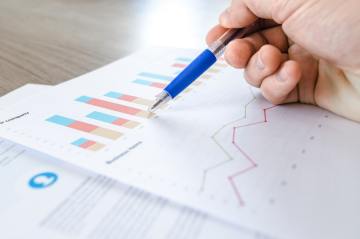 I get really passionate when talking about data and using data to direct clinical decisions. Although I’m aware that I am often alone in that passion, it’s worth acknowledging that we all use data to direct all of our decisions. We’re not just guessing in the dark. We may not always directly attend to the data available to us, but I have yet to meet anyone who makes a decision without using some form of information to guide them.
  I’ve been doing couple therapy (
 Wait, we’ve been at this for 10 years? Huh.
  When the Public Service Loan Forgiveness program (PSLF) started in 2007, mental health professionals all over the country expressed optimism and relief.